Conservation in Loango
Loango is the product of decades of protection, field research and an ambitious national parks programme.
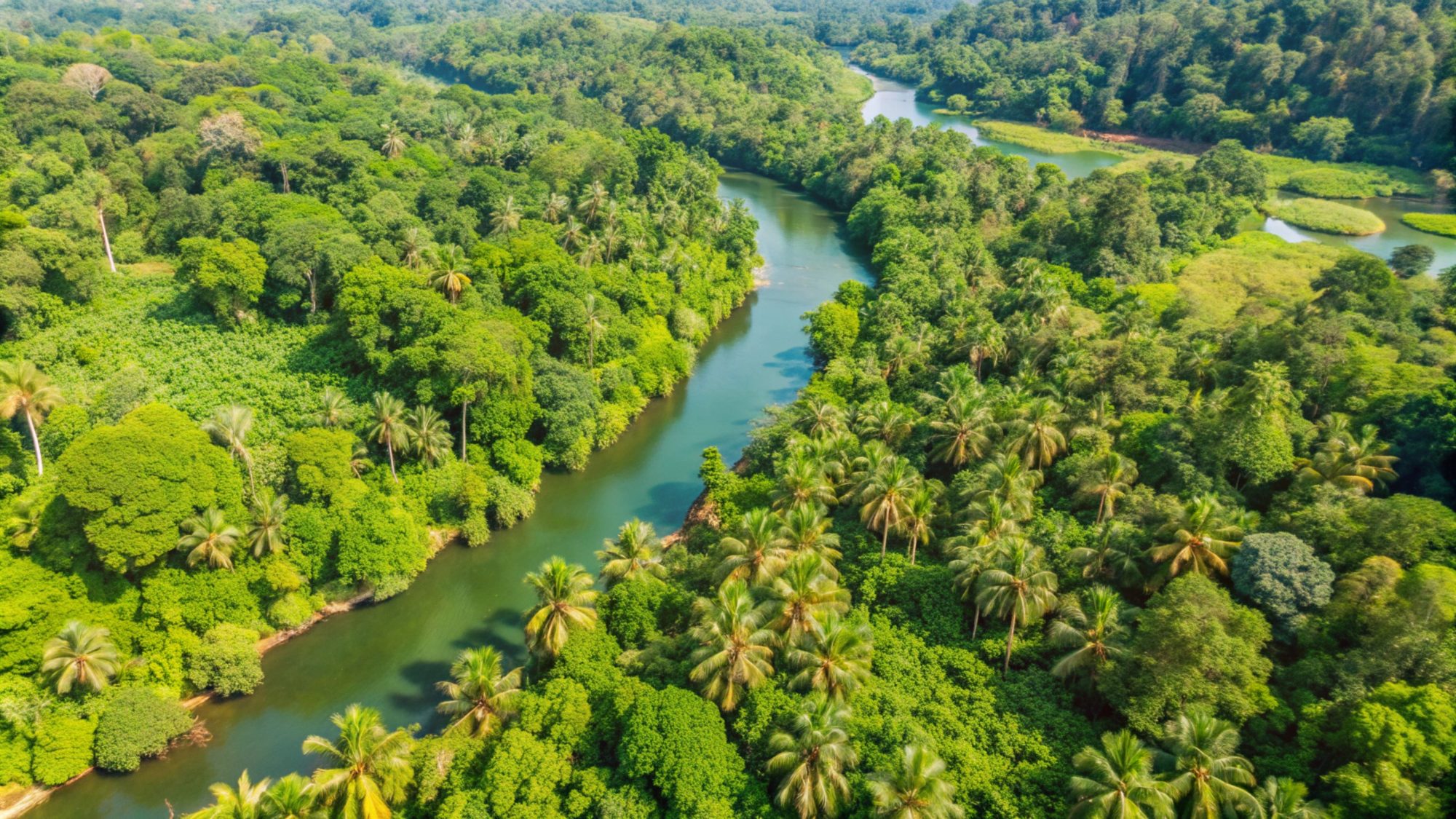
A short history
The first faunal reserves in the area date from 1956. Loango became a national park in 2002, when Gabon created 13 parks covering around 10 percent of its land. Part of the area, Petit Loango, is also listed under the Ramsar Convention on wetlands.
Conservationist Mike Fay helped bring global attention to the region after his long walk through Central Africa's forests, and the name "Africa's Last Eden" has followed Loango ever since.
Who is involved
ANPN
Gabon's National Agency for National Parks manages the park.
Max Planck Institute
Has studied gorillas and chimpanzees in Loango since 2005.
Ozouga Chimpanzee Project
Long-term research on the Rekambo chimpanzee community.
Wildlife Conservation Society
Has worked on conservation in Gabon for decades, including in Loango.
The pressures
Western gorilla numbers are estimated to be falling by about three percent a year across their range, from habitat loss, poaching and disease. Most of Gabon's great apes live outside protected areas, which is why land beyond park boundaries matters too.
Oil exploration has also touched the park. Seismic surveys took place inside Loango in 2006 and 2007, and researchers have studied how intense human noise can cause wildlife to avoid an area.
How visitors can help
Travel with operators that pay park fees, employ local staff and follow great ape rules. Stay home from gorilla visits if you are unwell, keep your distance from all wildlife, and ask how your payment supports the park.
Keep planning
Gorilla trekking
How visits work and what they cost.
Wildlife
Forest elephants, apes, hippos and more.
FAQ
Visas, health and costs.