Fishing in Loango National Park
Giant tarpon, threadfin and cubera snapper hunt where Loango's lagoons meet the Atlantic. Sport fishing here is guided, seasonal and very limited.
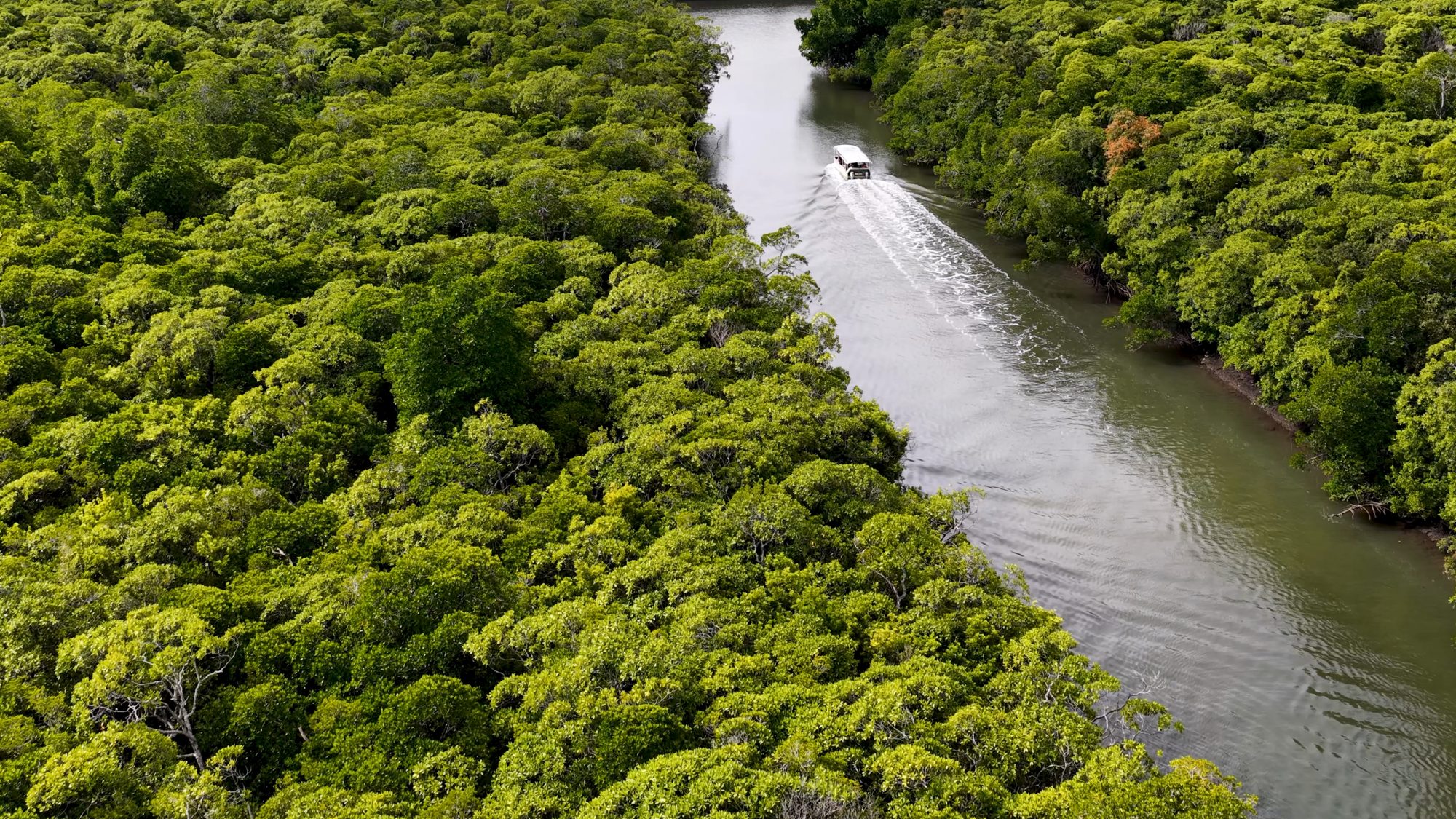
Where the fishing happens
Serious sport fishing centres on the park's lagoon systems, especially where they drain into the ocean. Bait gathers at these mouths, and large predators follow it into surprisingly shallow water.
Ndogo Lagoon and Sette Cama
The best-documented fishery, on the southern boundary of the park. Anglers work the beach, surf, estuary mouth, lagoon and mangroves. The main fishing camp is run by a specialist fishing operator and takes up to eight anglers.
Iguéla Lagoon
The 220 square kilometre lagoon in the north is a rich nursery for juvenile fish. Its mouth has long been fished from the northern lodges, but availability depends on which operators are currently running.
Port-Gentil
Outside the park, further north. A separate skiff-based operation sight-fishes for tarpon there, roughly October to May.
What you can catch
Tarpon
The headline species. Operators report fish from about 40 lb to over 200 lb (18 to 90 kg), often taken from the beach or at the lagoon mouth.
Giant African threadfin
A prized trophy fish in the surf and estuary, often associated with coloured water flowing out of the lagoon.
African cubera snapper
A heavy, powerful snapper found around the mouth and surf. Smaller snapper are common inside the lagoon.
Longfin jack and jack crevalle
Aggressive and often the most consistent action, particularly on poppers and flies in the lagoon.
Senegal kob
Taken along the surf line, frequently in low light.
Guinean barracuda
Found in the lagoon and around the estuary.
Sharks
Bull sharks and other species patrol the shallows. One group reported a bull shark of around 100 kg in March 2026.
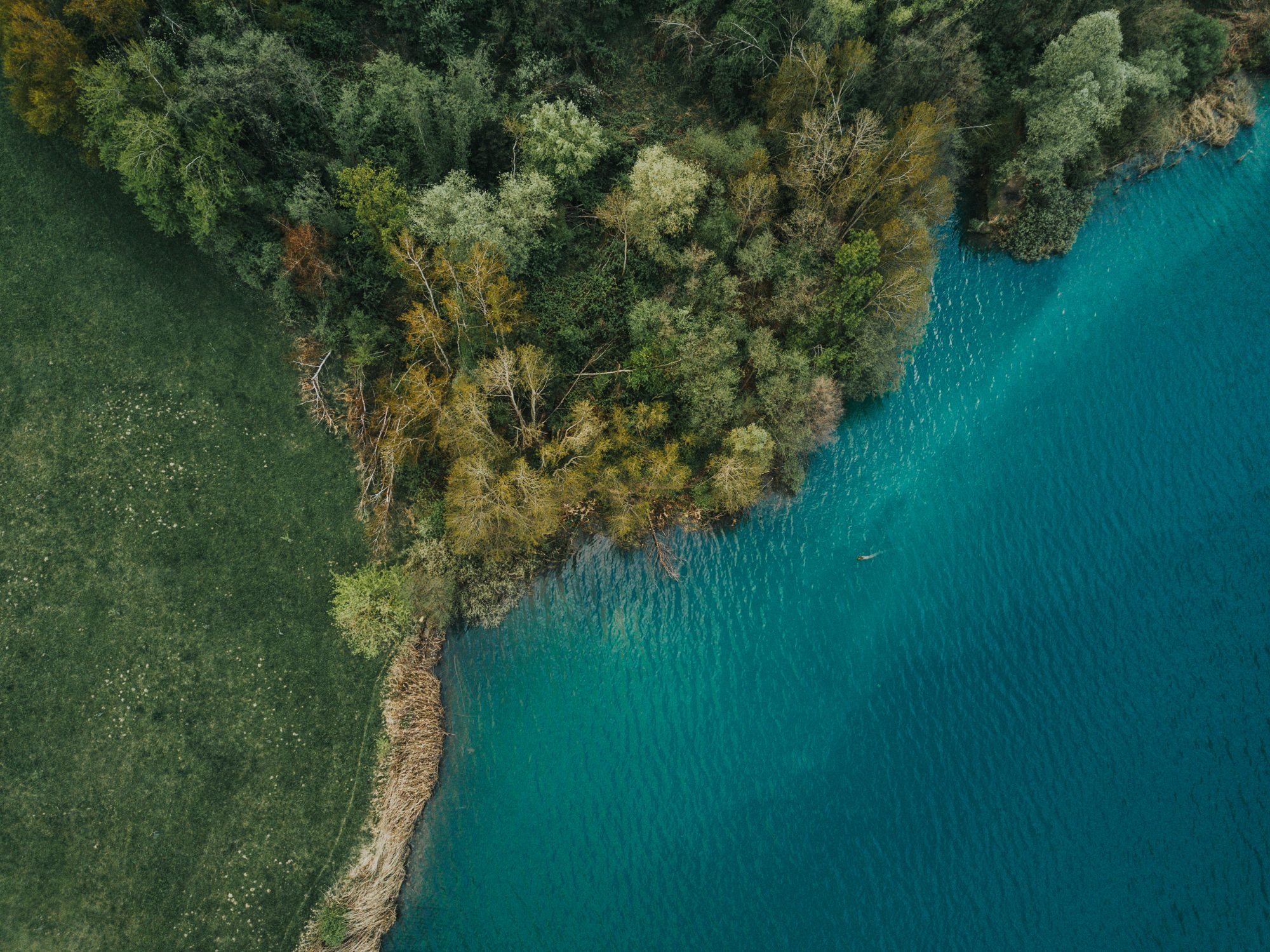
How it is fished
Beach and surf
Anglers cast lures, poppers, flies or bait from the sand. Much of the best big-fish action comes around dawn, dusk and at night.
Estuary
Boats anchor or drift the current at the lagoon mouth, with fly or conventional tackle.
Lagoon
Lighter fishing from small boats for jacks, juvenile snapper and barracuda, with some operators also micro-jigging.
Offshore
Some packages offer boat fishing outside the river mouth at extra cost.
When to go
Guided fishing at Sette Cama runs from September to April, with November to March usually named as the peak for tarpon. That is largely the opposite of the dry season favoured for general safari travel, so plan around your main priority.
Runs vary from year to year. Operators reported tarpon arriving later and in smaller numbers in early 2026, before stronger sessions as the season went on.
Practical details
Fly to Libreville, then take a flight to Gamba. From there, a short road transfer and a boat across the Ndogo Lagoon reach Sette Cama.
Reported cost
One 2026 listing started at USD 7,350 per angler per week, excluding some travel costs. Confirm what your package includes.
Permits
Sport fishing in Gabon requires a permit, and fishing packages have typically included permits and conservation levies. Ask your operator to confirm this.
Catch and release
Widely practised by sport fishing operators, particularly for tarpon. Ask about a camp's policy before you book.
Tackle
Heavy gear is needed for the largest fish. Rental may be available on request, so check well ahead.
Safety
You may share the beach with elephants, buffalo and hippos, and the water with crocodiles and sharks. Follow your guide at all times.
Last checked November 2026. Local people also depend on these waters for food and income, so choose operators that work with park authorities and nearby communities.
Sources
Sette Cama species, season and fishing methods.
Sette Cama destination details and 2026 reports.
Tarpon seasons, weights and 2026 fishing reports.
Season, capacity and 2026 pricing.
Iguéla Lagoon fishery background.
Keep planning
Where to stay
Lodges and camps we could confirm.
Best time to visit
Seasons and wildlife by month.
Wildlife
What else lives along this coast.